
diving
guide
Home → Diving → Dive Sites in Trincomalee
Trincomalee is one of Sri Lanka’s most exciting diving destinations, offering a rare variety of underwater experiences along the island’s eastern coastline. From colourful shallow coral gardens perfect for beginners to deep rock formations explored by experienced divers, Trincomalee has dive sites suitable for every level of diver.
With more than 22 dive sites accessible from the area, divers can explore coral reefs, underwater rock formations, historic military structures, caves, swim-throughs and vibrant marine ecosystems.
Based on local knowledge from the Blue Water Sports diving team and our ultimate guide to scuba diving in Trincomalee, these are some of the most famous and memorable dive sites in Trincomalee.
Table of Contents
Why Dive in Trincomalee
Trincomalee stands out among Sri Lanka’s diving destinations because of its combination of:
Calm conditions during the diving season
Clear underwater visibility
Easy access to nearby dive sites
Beginner-friendly shallow areas
Diverse coral ecosystems
Historical underwater attractions
Rich marine life
Many dive sites are only a short boat ride away, allowing divers to spend more time underwater exploring rather than travelling.
Dive Sites in Trincomalee at a Glance
Dive Site | Depth | Difficulty | Highlights |
|---|---|---|---|
Coral Garden | 2m–18m | Beginner friendly | Coral formations, turtles, reef life |
Navy Island | Up to 12m | Beginner | Caves, swim-throughs, marine life |
North Reef | 14m–18m | Easy | Stingrays, moray eels, reef formations |
South Reef | 13m–19m | Intermediate | Pinnacles, reef fish, barracuda |
Pigeon Island | Shallow reefs | Beginner | Sharks, coral gardens, snorkeling |
Underwater Navy Museum | Varies | Certified divers | Military structures and wrecks |
Fort Rock | 30m–40m | Advanced | Deep formations, large fish |
Coral Garden: A Colourful Trincomalee Dive Site
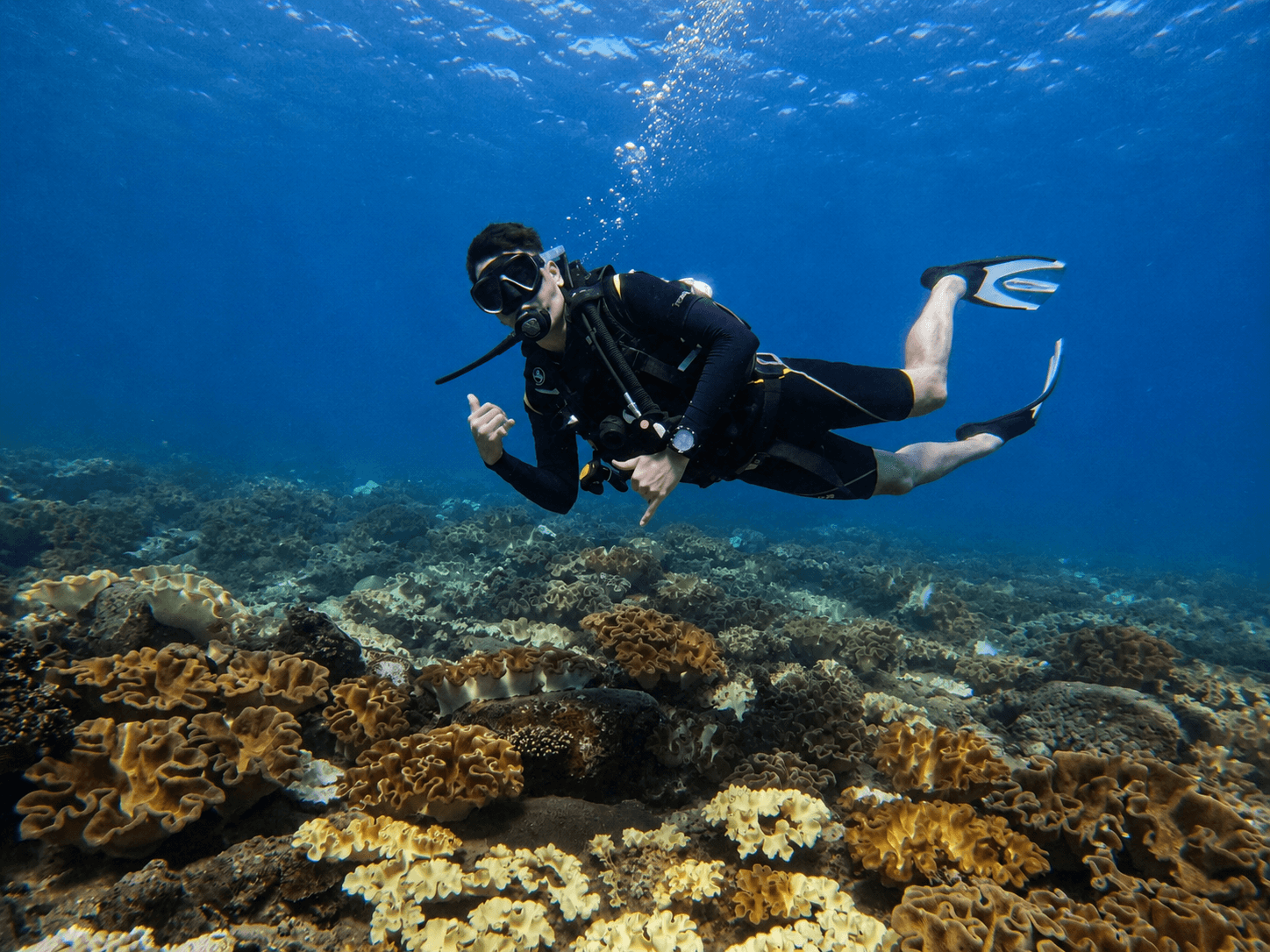
Depth: 2m–18m
Difficulty: Beginner friendly
Best for: Coral lovers, first-time divers and underwater photography
Coral Garden is one of Trincomalee’s most visually impressive dive locations. The site gets its name from the colourful variety of coral formations found throughout the reef.
Starting from shallow depths of around 2 metres, divers can gradually explore deeper areas reaching approximately 18 metres.
The site features:
Soft corals
Leather corals
Table corals
Sponge corals
Diverse reef fish
One of the biggest attractions of Coral Garden is the regular presence of sea turtles. According to Blue Water Sports instructors, turtle encounters are among the highlights of diving at this location.
The combination of shallow areas, colourful coral and calm conditions makes Coral Garden an excellent choice for beginners and photographers.
In order to dive here you need the basic open water certificate. Don’t have one? you can get certified with us within 2 to 3 days with PADI Open Water Certification.
Navy Island: Beginner-Friendly Diving in Trincomalee
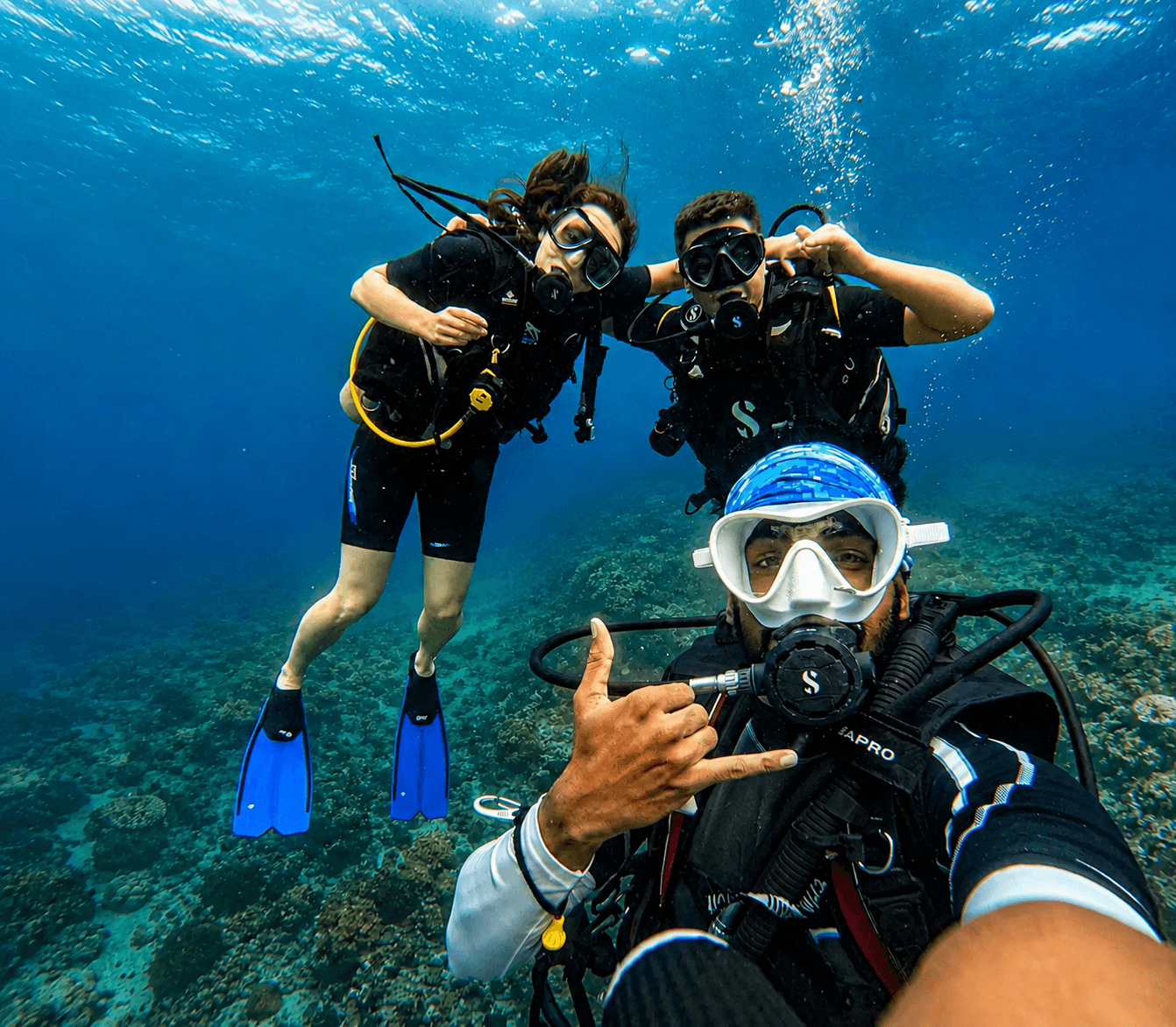
Depth: Up to approximately 12 metres
Difficulty: Beginner friendly
Boat ride: Around 10 minutes
Navy Island is one of the most popular dive sites in Trincomalee and is especially famous for introducing new divers to the underwater world.
The site offers:
Natural caves
Swim-through formations
Healthy reef systems
Abundant marine life
The shallow environment allows instructors to comfortably guide beginners while allowing certified divers to enjoy exploring the underwater landscape.
Navy Island is also the location used for many Discover Scuba Diving experiences, where first-time divers can experience breathing underwater under professional supervision.
North Reef: Trincomalee Reef Formations
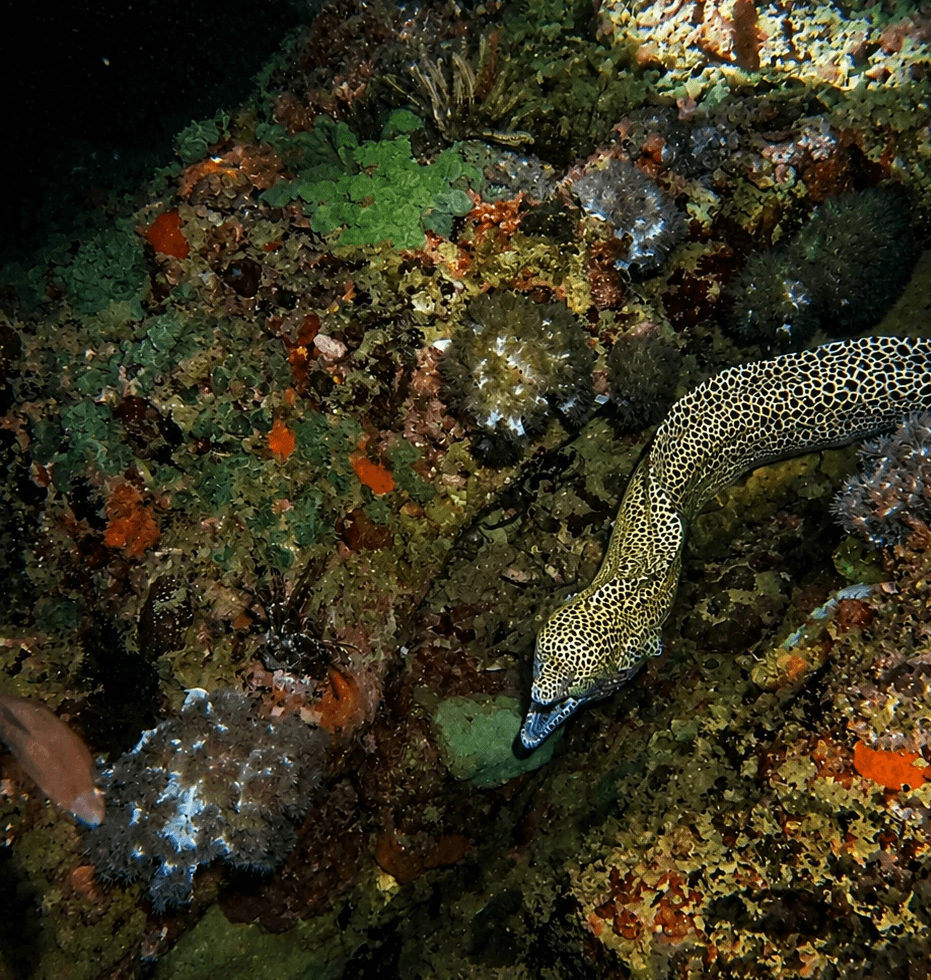
Depth: 14m–18m
Difficulty: Easy
Boat ride: Around 5 minutes
North Reef is a beautiful reef formation dive site known for its calm conditions and variety of marine species.
Unlike more challenging dive locations, North Reef usually offers:
Minimal current
Little surge
Easy navigation
Divers exploring North Reef may encounter:
Blue-spotted stingrays
Moray eels
Nudibranchs
Reef fish
The underwater structure of the reef makes it an enjoyable dive for certified divers looking for a relaxed exploration experience.
South Reef: Pinnacles and Marine Life
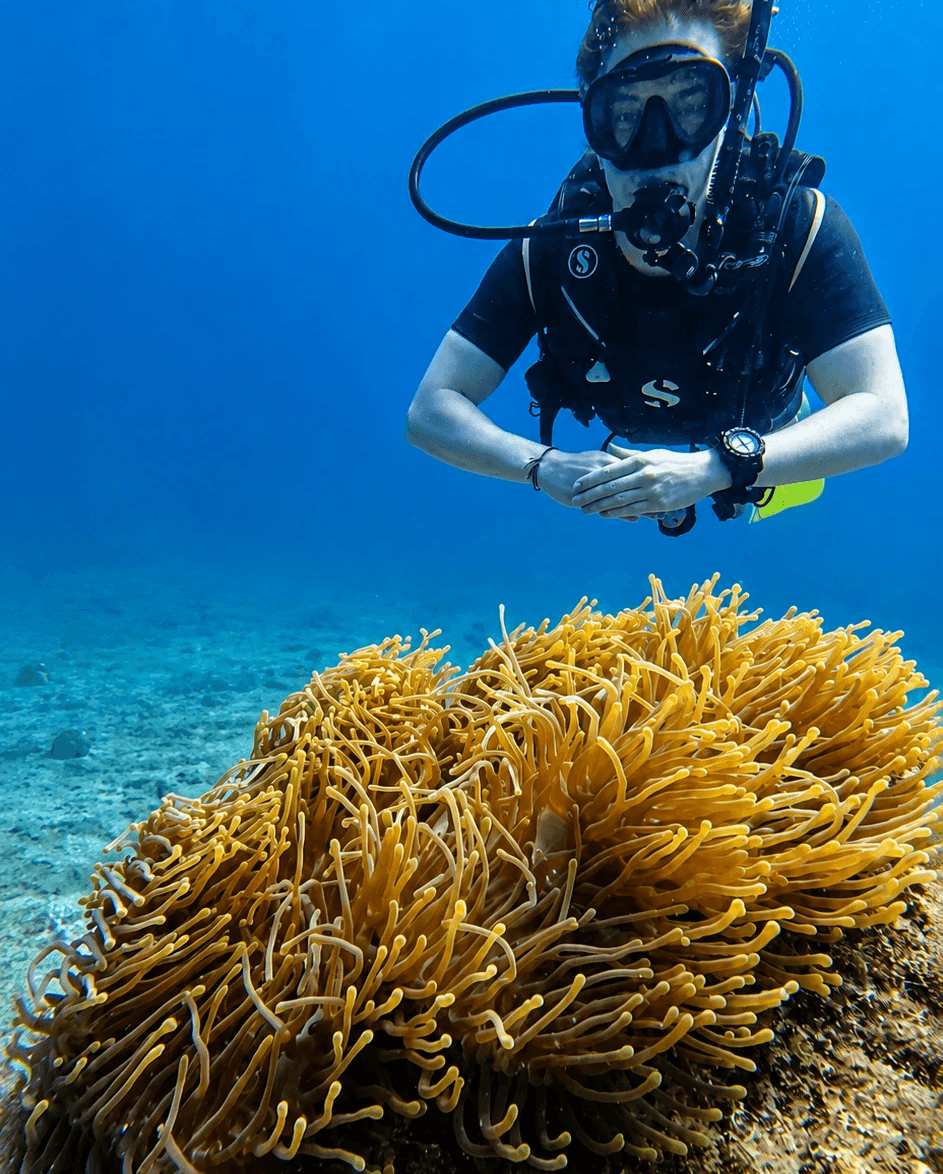
Depth: 13m–19m
Minimum certification: Open Water Diver
South Reef offers a different experience compared to shallow coral sites. The highlight of this location is its impressive underwater pinnacle formation.
Around 17 metres, divers can explore a large pinnacle and wall-like reef structure surrounded by marine life.
Common highlights include:
Schools of reef fish
Reef formations
Great barracuda sightings
Possible giant octopus encounters
With no strong current or surge under normal conditions, South Reef provides an exciting dive for certified divers looking for more underwater terrain.
Pigeon Island: Sharks, Coral and Snorkelling
Location: Near Nilaveli, Trincomalee
Depth: Mainly shallow reef areas
Best for: Beginners, snorkelers and marine-life encounters
Pigeon Island National Park is one of Sri Lanka’s most famous marine destinations and a must-visit location near Trincomalee. For visitors who want to stay close to the surface, Pigeon Island Snorkeling offers an equally rewarding view of shallow reefs.
The island is surrounded by shallow coral reefs, making it accessible for both snorkelers and beginner divers.
The area is particularly famous for sightings of:
Blacktip reef sharks
Colourful reef fish
Coral formations
Turtles and other marine species
Because of its shallow waters and clear visibility during the season, Pigeon Island is one of the best places in Sri Lanka for people experiencing coral reefs for the first time.
For visitors who prefer staying close to the surface, Pigeon Island snorkeling offers an equally rewarding experience.
Underwater Navy Museum: History Beneath the Surface
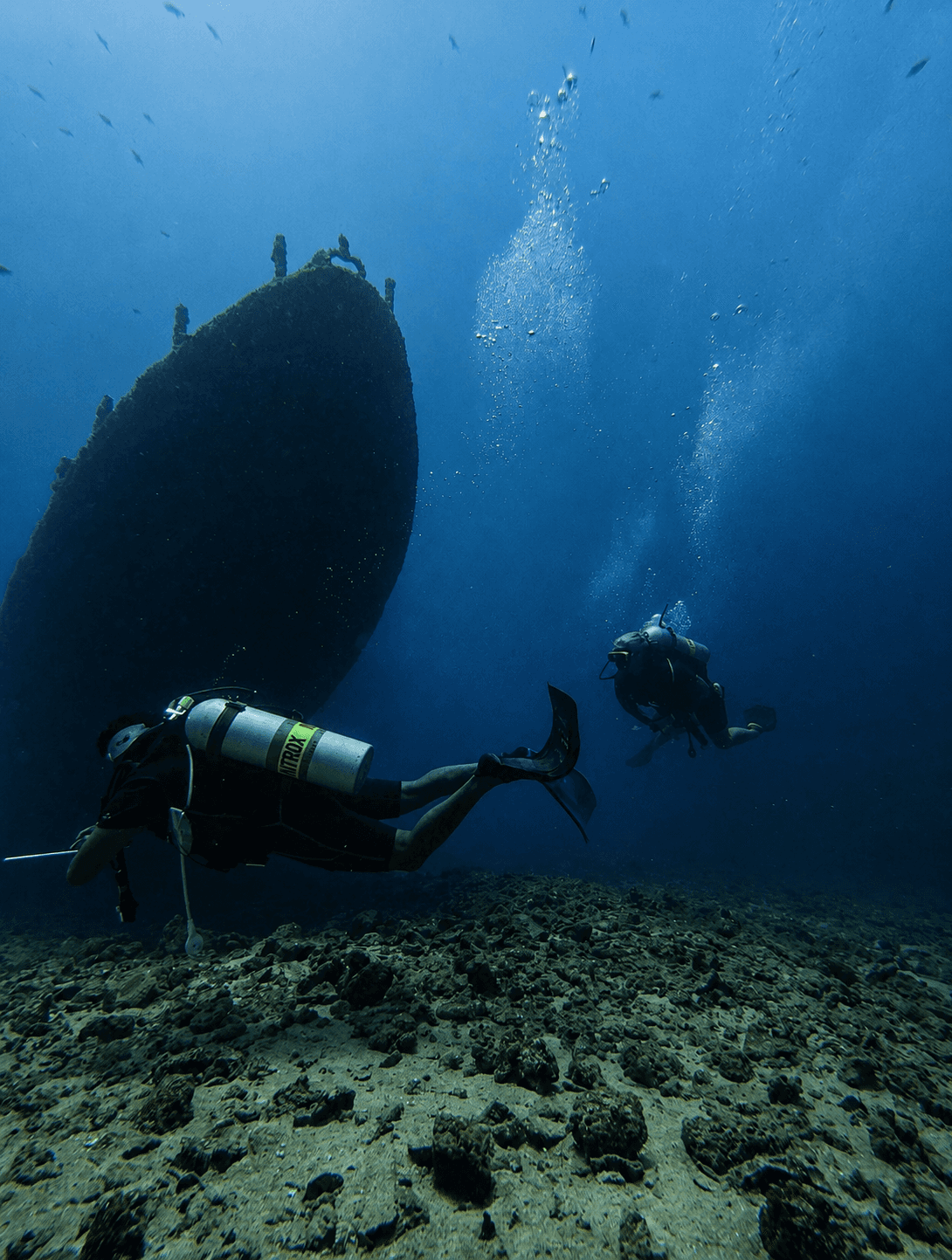
Difficulty: Certified divers
The Underwater Navy Museum is one of the most unique diving experiences in Trincomalee.
Created by the Sri Lankan Navy, this underwater attraction combines history with marine exploration.
Divers can explore:
Two warships
Two tankers
Cannons
Military structures
Unlike natural reef dives, this location offers the opportunity to explore underwater objects connected to Sri Lanka’s maritime history.
It is a fascinating dive for certified divers who want something beyond traditional coral reefs.
Fort Rock: Deep Diving in Trincomalee
Depth: Approximately 30m–40m
Difficulty: Advanced divers
For experienced divers looking for deeper underwater landscapes, Fort Rock is one of Trincomalee’s most exciting dive locations.
The site features dramatic underwater rock formations and deeper profiles that allow experienced divers to explore different depths.
Fort Rock is known as a fish point where divers may encounter larger marine species including:
Barracuda
Grouper
Red snapper
The combination of depth, underwater structure and marine life makes Fort Rock a favourite among advanced divers.
Swami Rock: Diving Beneath a Historic Landmark
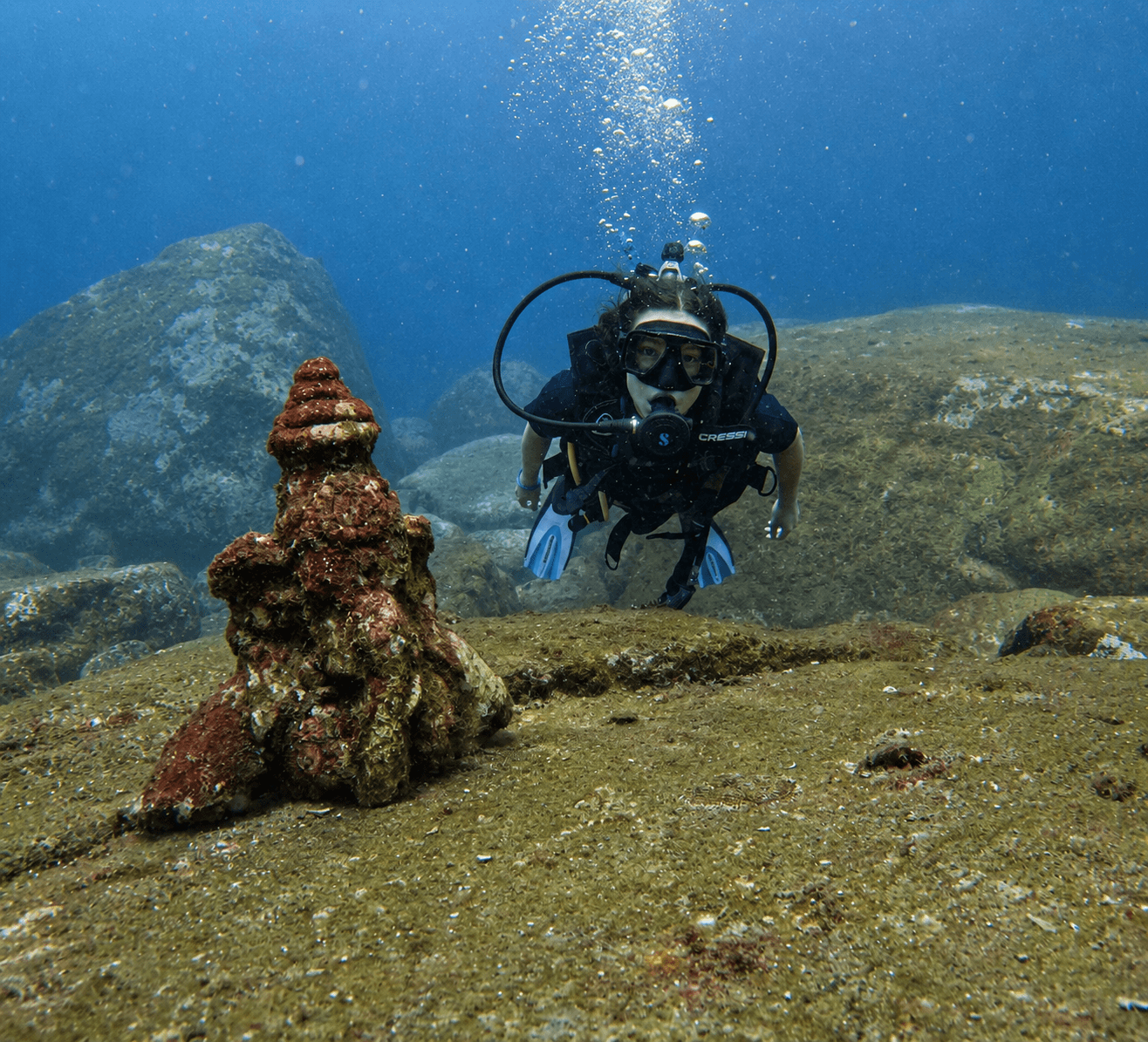
Depth: Varies depending on dive route and conditions
Difficulty: Suitable for experienced divers depending on the site conditions
Rising above the entrance to Trincomalee Harbour, Swami Rock is one of the most recognisable landmarks in the region. Located near the historic Koneswaram Temple, this dramatic coastal cliff continues below the surface, creating a unique underwater environment where history and marine exploration meet.
The underwater landscape around Swami Rock features steep rock formations, reef structures and drop-offs that attract a variety of marine life. Divers can explore the rocky terrain while observing species that inhabit Trincomalee’s coastal waters.
Highlights of diving around Swami Rock include:
Dramatic underwater rock formations
Reef fish surrounding the rocky walls
Deep-water environments near the harbour entrance
A unique combination of natural scenery and cultural history
Because of its location and underwater terrain, Swami Rock is particularly interesting for divers looking for a dive experience that goes beyond traditional coral reefs. The combination of Trincomalee’s historic coastline above water and vibrant marine ecosystem below makes it one of the area’s most memorable dive locations.
Marine Life in Trincomalee
The waters around Trincomalee support a diverse marine ecosystem.
Depending on the dive site and conditions, divers may encounter:
Reef Fish
Parrotfish
Butterflyfish
Triggerfish
Clownfish
Sweetlips
Snapper
Larger Marine Species
Barracuda
Groupers
Tuna
Rays and Bottom-Dwelling Species
Blue-spotted stingrays
Electric rays
Garden eels
Moray eels
Reptiles
Sea turtles
Sea snakes
The variety of marine environments is one of the reasons divers return to Trincomalee year after year.
Choosing the Right Dive Site in Trincomalee
For First-Time Divers
Best options:
Coral Garden
Navy Island
Pigeon Island
These locations offer shallow water, easier conditions and colourful marine environments.
For Certified Beginner Divers
Best options:
North Reef
South Reef
Navy Island
These sites provide more underwater exploration while maintaining comfortable conditions.
For Experienced Divers
Best options:
Fort Rock
Underwater Navy Museum
South Reef
These locations offer deeper profiles, unique structures and more challenging experiences.
Why Dive with Blue Water Sports in Trincomalee
Exploring Trincomalee’s underwater world is best experienced with a local dive centre that understands the conditions, seasons and dive sites.
Blue Water Sports has been introducing divers to Trincomalee since 2013, offering:
Local knowledge of more than 22 dive sites
Whether you are taking your first breath underwater or searching for deeper adventures, Trincomalee offers some of Sri Lanka’s most memorable diving experiences.
About this guide
Blue Water Sports — PADI Dive Center in Trincomalee
This guide is based on local knowledge from Blue Water Sports diving instructors, who have been exploring and guiding divers around Trincomalee’s dive sites since 2013.
Blue Water Sports is a PADI Dive Center and Trincomalee diving authority with local knowledge of 22+ local dive sites.
With 13+ years of local experience, the team supports Discover Scuba Diving, PADI certification, and guided Fun Diving for certified divers.
For broader planning advice, read the Ultimate Guide to Scuba Diving in Trincomalee.