
Diving
Guide
Editorial note: All factual claims in this draft are based on information supplied by Blue Water Sports instructors or on existing Blue Water Sports pages. Marine-life sightings are natural and should never be presented as guaranteed.
Whether you are planning your first scuba dive or returning as a certified diver, Trincomalee offers a rare combination of calm beginner-friendly water, easy access to dive sites, underwater structures and diverse marine life. This guide brings together practical local knowledge from the Blue Water Sports diving team so you can understand what makes the destination special, when to visit and which type of diving experience may suit you.
Complete beginners can start with a supervised Discover Scuba Diving experience, while those ready to earn a certification can explore the PADI Open Water Course. Certified divers can review Blue Water Sports’ Fun Diving trips for guided recreational dives around Trincomalee.
Why Dive in Trincomalee?
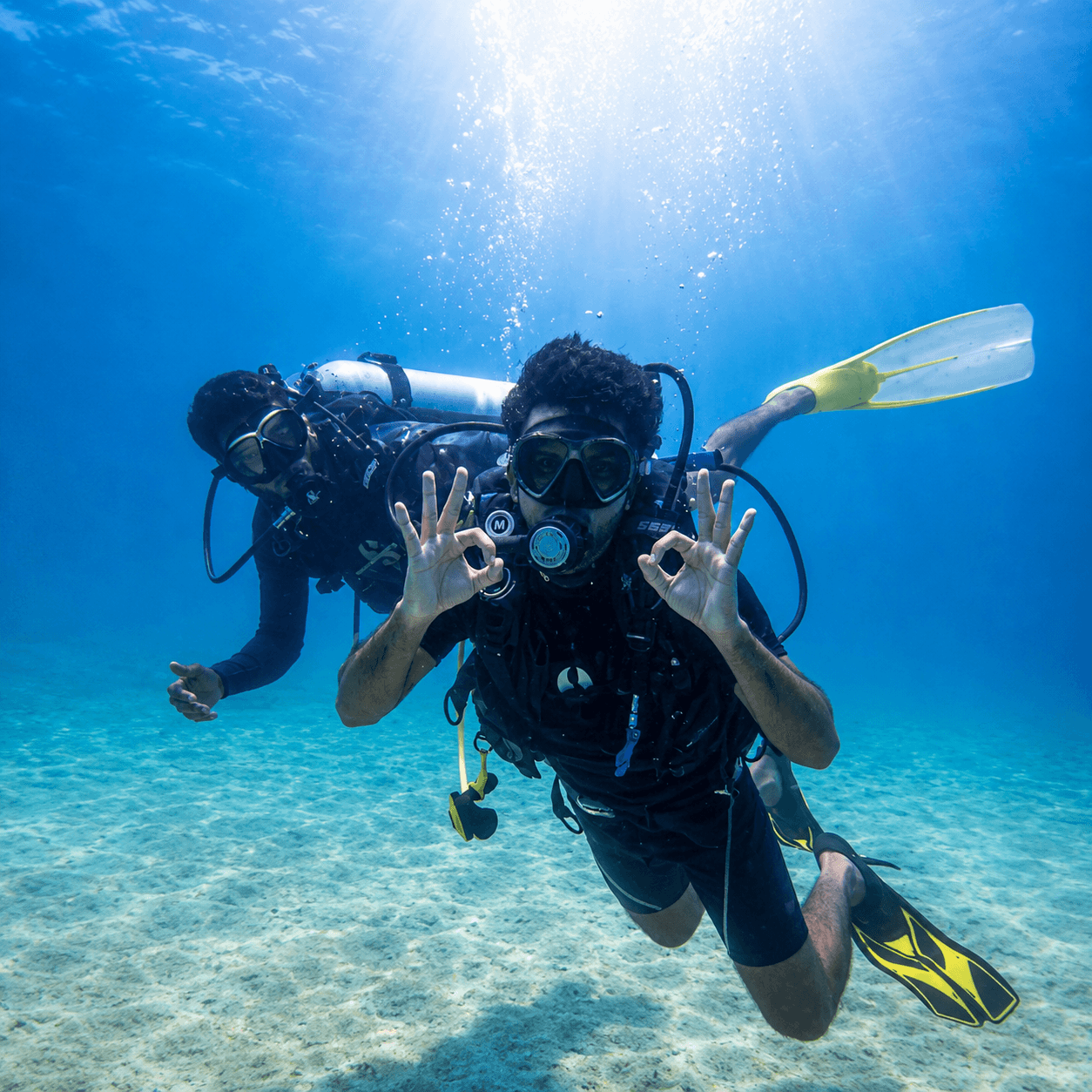
Sri Lanka has several diving destinations, but Trincomalee has earned a reputation as one of the country's most beginner-friendly and rewarding places to dive.
What makes it unique isn't just the number of dive sites—it's the combination of calm conditions, easy accessibility, and diverse underwater environments.
Unlike many coastal diving destinations, Trincomalee offers:
Calm seas with minimal wave action
Gentle currents suitable for beginners
Clean sandy bottoms
Excellent underwater visibility during the diving season
Natural shallow training areas
More than 22 dive sites within easy reach
For someone taking their first breaths underwater, these conditions create an environment where learning feels comfortable rather than intimidating.
Why Trincomalee is Perfect for First-Time Divers
A person's first scuba dive often shapes how they feel about diving for years to come.
Trincomalee provides an ideal setting because beginners can focus on enjoying the experience rather than struggling with difficult sea conditions.
One of Trincomalee's biggest advantages is its shallow coastal environment.
Several locations offer depths between 2 and 10 metres, allowing instructors to conduct confined water training directly in the sea instead of relying on a swimming pool.
After completing the initial skills session, students can smoothly transition from the confined training area to nearby dive sites without changing locations.
The result is a more natural and memorable introduction to scuba diving.
If you're thinking about earning your certification, this environment makes Trincomalee an excellent place to begin your journey through the PADI Open Water Diver Course.
Best Time to Dive in Trincomalee
The diving season on Sri Lanka's east coast runs from April until mid-October, making it one of the country's longest diving seasons.
During these months, divers can typically expect:
High underwater visibility
Calm seas
Minimal wave action
Comfortable diving conditions
An interesting feature of Trincomalee's marine ecosystem is what happens before the diving season begins.
During the off-season, stronger seas and weather naturally reduce fishing activity, illegal net usage, and other disturbances around many protected dive sites. This gives marine ecosystems time to recover and marine life an opportunity to flourish before the season returns.
Many of Trincomalee's dive sites are also protected by the Sri Lankan government and the Sri Lankan Navy, helping preserve these underwater habitats.
If you're also interested in exploring the reefs from the surface, this is an excellent time to experience Pigeon Island Snorkeling, when visibility is typically at its best.
Discover 22 Unique Dive Sites
One of Trincomalee's greatest strengths is the variety of dive sites available.
From shallow reefs suitable for beginners to deep rock formations for experienced divers, every site offers something different.
Here are three of the area's most notable locations.
Underwater Navy Museum
One of the most unique dive experiences in Trincomalee is the Underwater Navy Museum.
Created by the Sri Lankan Navy, this underwater attraction features a collection of military structures that divers can explore beneath the surface.
Highlights include:
Two warships
Two tankers
Cannons
Various military wrecks
It combines history with recreational diving, offering a completely different underwater experience compared to natural reef dives.
Navy Island
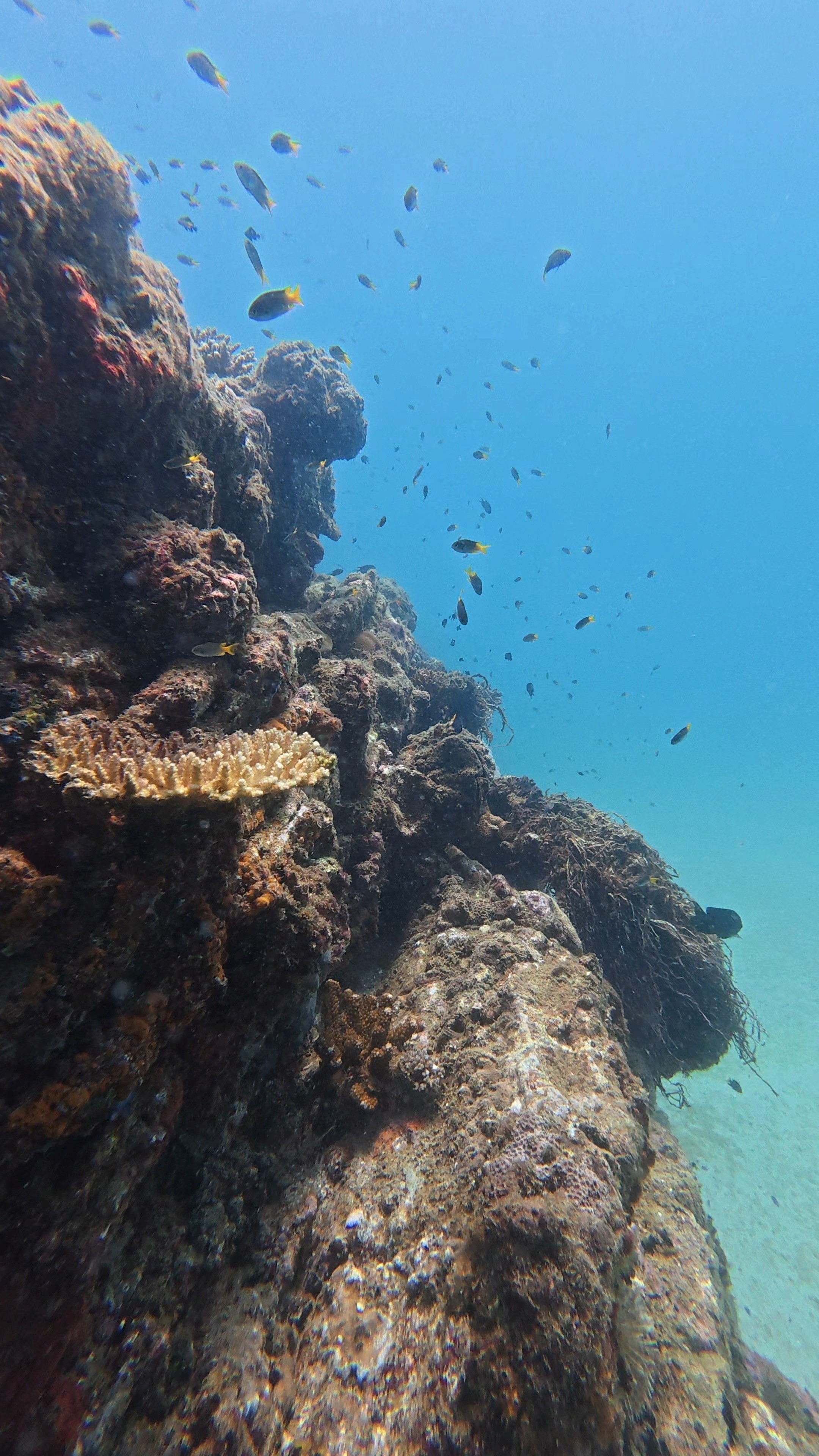
Navy Island is among the most popular dive sites in Trincomalee and is especially well suited for beginner divers.
With a maximum depth of approximately 12 metres, the site features:
Natural caves
Swim-throughs
Healthy reef systems
Rich marine life
Another advantage is its proximity.
Located only about 10 minutes from shore, Navy Island allows divers to spend less time travelling and more time exploring underwater.
For beginner training, instructors can conduct confined water sessions nearby before gradually leading students toward the island's dive site. This is also the site used for Blue Water Sports’ beginner-friendly Discover Scuba Diving experience.
Many certified divers also visit Navy Island during Fun Diving trips because of its variety of marine life and underwater terrain.
Fort Rock
For experienced divers seeking greater depth, Fort Rock offers one of Trincomalee's most exciting underwater landscapes.
The site features multiple depth levels ranging from approximately 30 to 40 metres.
Rather than descending directly to maximum depth, divers can explore different depth profiles throughout the dive, helping maximise bottom time while navigating impressive underwater rock formations.
Fort Rock is also well known as a "fish point," where divers commonly encounter larger pelagic and reef species, including:
Barracuda
Grouper
Red Snapper
Its dramatic topography makes it a favourite among advanced divers.
Marine Life You Can Expect in Trincomalee
One of the biggest reasons divers return to Trincomalee year after year is the incredible diversity of marine life.
Depending on the dive site and season, you may encounter colourful reef fish, rays, sea turtles, moray eels, coral gardens, and many other fascinating marine species.
Reef Fish
The reefs surrounding Trincomalee support a vibrant community of tropical reef fish.
Common sightings include:
Parrotfish
Goatfish
Sweetlips
Snapper
Butterflyfish
Triggerfish
Clownfish
Pipefish
Trumpetfish
These colourful species are commonly seen throughout the main diving season and contribute to the lively atmosphere of Trincomalee's reefs.
Larger Predatory Fish
Divers exploring deeper reefs may encounter larger predators that patrol the underwater rock formations.
Species include:
Barracuda
Grouper
Tuna
Fort Rock is particularly recognised for frequent sightings of these larger fish.
Rays
Trincomalee's sandy seabeds provide excellent habitat for several ray species.
Divers may encounter:
Rays
Sting Rays
Electric Rays
Watching these graceful animals glide across the seabed is often one of the highlights of a dive.
Marine Reptiles
Sea turtles are among the most sought-after wildlife encounters in Trincomalee.
Possible sightings include:
Sea Turtles
Turtles
Sea Snakes
Turtles are especially popular with underwater photographers because of their calm behaviour around divers.
Corals and Reef Life
Healthy coral formations create the foundation of Trincomalee's marine ecosystem.
Divers can observe:
Brain Coral
Gorgonian Fans
Sea Anemones
Reef Coral
These habitats provide shelter for countless reef fish and smaller marine organisms.
Eels and Bottom-Dwelling Creatures
Divers who take time to observe the reef closely may also discover fascinating bottom-dwelling species.
These include:
Giant Moray
Honeycomb Moray
Garden Eels
Moray Eels
Starfish
Sea Urchins
Sea Cucumbers
Many of these species are masters of camouflage, rewarding divers who slow down and carefully explore the reef.
Marine Life Throughout the Diving Season
One of the unique advantages of diving in Trincomalee is the consistency of marine life during the main diving season.
From March through November, divers have good opportunities to encounter many of the region's signature species, including reef fish, rays, sea turtles, barracuda, groupers, corals, moray eels, and echinoderms.
This makes Trincomalee an excellent destination whether you're visiting at the beginning, middle, or end of the diving season.
Professional Equipment Makes a Difference
A safe and enjoyable dive depends not only on the dive site but also on the quality of the equipment being used.
Blue Water Sports maintains a fleet of Scubapro scuba equipment imported directly from the United Kingdom and the United States.
The diving cylinders are professionally maintained through:
Annual inspections
Visual inspections
Laboratory inspections
The equipment fleet is also regularly renewed, with cylinders generally less than three years old.
Maintaining equipment to high standards allows divers to focus on enjoying the underwater experience with confidence.
Why Dive with Blue Water Sports?
Choosing the right dive centre is just as important as choosing the right destination.
Blue Water Sports has been introducing divers to Trincomalee's underwater world since 2013 and has built a strong reputation through professional instruction, quality equipment, and local expertise.
Divers benefit from:
Over 700 customer reviews
More than a decade of local diving experience
Premium Scubapro equipment
Dive sites located just minutes from the dive centre
Access to beginner training and certified fun dives
Whether you're taking your very first scuba dive or returning to explore deeper sites, the team's local knowledge helps you make the most of every dive.
Explore the full range of diving experiences from the Blue Water Sports homepage, or choose the route that fits your current level: Discover Scuba Diving for a first supervised dive, the PADI Open Water Course for certification, or Fun Diving for certified divers.
Frequently Asked Questions
Is Trincomalee suitable for first-time divers?
Yes. Calm seas, gentle currents, shallow training areas, and sandy bottoms make Trincomalee one of Sri Lanka's most beginner-friendly diving destinations.
When is the best time to dive in Trincomalee?
The main diving season runs from April to mid-October, when visibility is high and sea conditions are generally calm.
How many dive sites are there in Trincomalee?
Trincomalee offers more than 22 dive sites, ranging from beginner-friendly reefs to advanced deep-water locations.
Do I need a swimming pool before learning to dive?
No. In Trincomalee, confined water sessions can be conducted in calm shallow areas of the sea before progressing to nearby dive sites.
What equipment does Blue Water Sports use?
Blue Water Sports uses Scubapro scuba equipment imported directly from the UK and the US. Their diving cylinders undergo regular visual, laboratory, and annual inspections.
Ready to Explore Trincomalee's Underwater World?
Whether you're taking your first breath underwater, earning your PADI certification, or searching for your next unforgettable fun dive, Trincomalee offers an underwater experience unlike anywhere else in Sri Lanka.
Explore our PADI Open Water Diver Course if you're ready to become a certified diver, or join one of our Fun Diving trips to discover Trincomalee's reefs, wrecks, caves, and vibrant marine life with the local team at Blue Water Sports.